What is a woven basket
A plain answer to what a woven basket is, explaining basketry, wicker, bamboo strips, and how warp and weft threads build the shape.
Contents
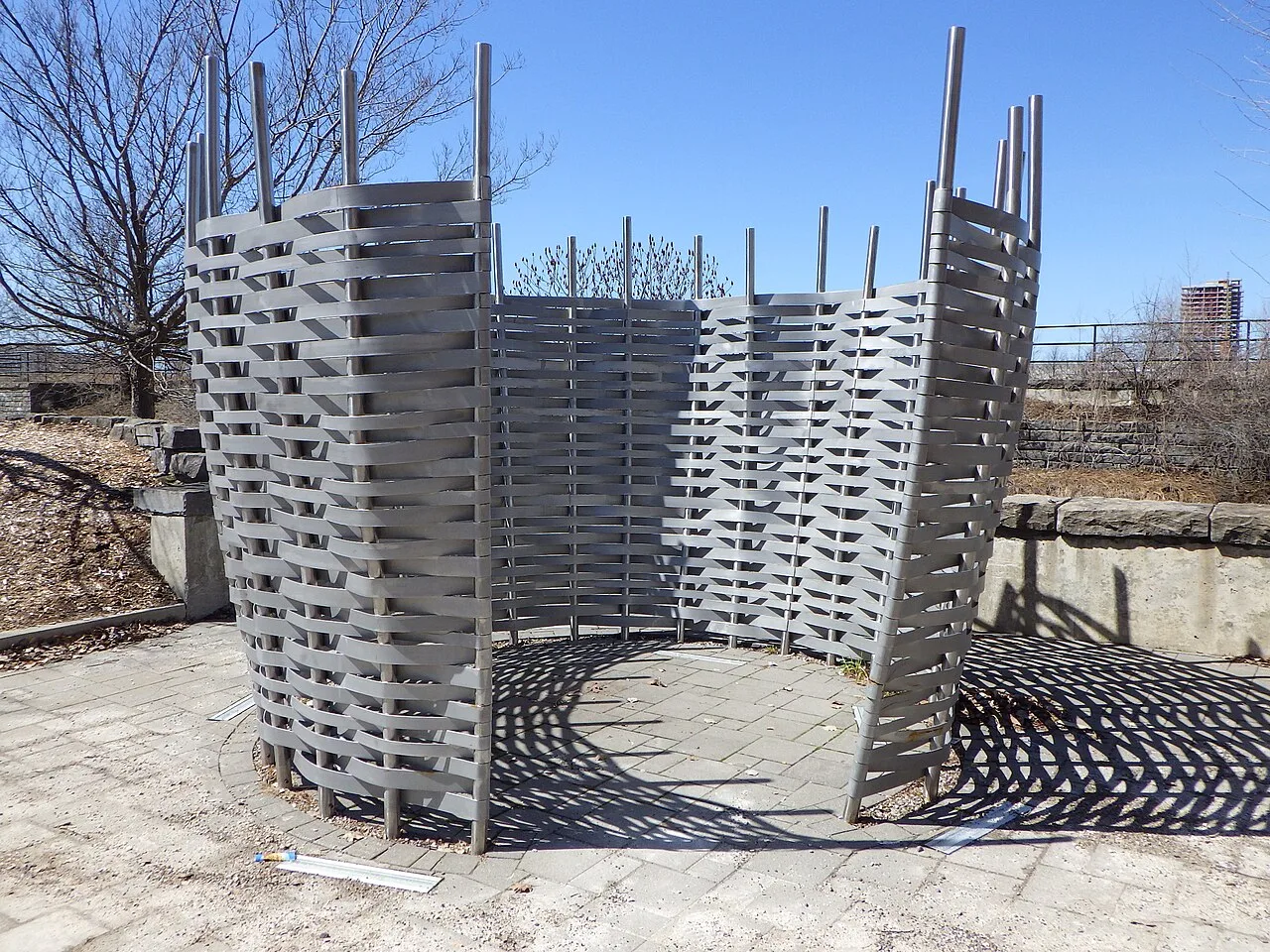
A woven basket is a container made by crossing flexible strips or strands over and under each other until a sturdy, open form takes shape. The craft behind it is called basketry, and it turns plant material such as bamboo strips, reeds, or vines into vessels for carrying, storing, and display. Each strand locks against its neighbors, so the wall gains strength without nails or glue.
How warp and weft interlock
Woven basket structure rests on two sets of elements: the warp and the weft. The warp is the set of upright or lengthwise strands that hold the shape, and the weft is the material that passes across them. A weaver moves the weft over one warp and under the next, row after row, and the pattern of that crossing decides the look of the surface. Tension matters, since an even crossing keeps the basket from twisting.
Basketry, wicker, and material choice
Basketry is the general name for the craft of making baskets from plant fibers, and wicker is one weaving style within it. In wicker work the strands are stiff enough to hold a form, so the basket keeps its open shape with little or no internal frame. Bamboo strips are a frequent choice because they split into long, strong lengths that bend without snapping. The material must stay flexible while drying, or the weave will crack.
What separates a basket from other weaving
A woven basket differs from cloth because its elements are rigid enough to stand apart and leave gaps. Those gaps let air move through the wall, which suits produce, laundry, and dry storage. A basket also needs a base, a wall, and a rim, and each part is woven or bound so the whole holds together. The rim in particular takes the strain when the basket is lifted, so it is often reinforced with a wrapped binding.
Questions about woven baskets
What is a woven basket made of?
A woven basket is made from flexible plant materials that can bend without breaking, such as bamboo strips, rattan, reed, willow, or vine. The maker splits or soaks the material so it stays pliable during weaving. Material choice follows the job, since a basket for dry storage can use stiffer strands than one meant to flex. Synthetic strands are also used where moisture resistance matters.
Is wicker the same as a woven basket?
Wicker is a weaving method used in basketry, not a synonym for every woven basket. In wicker work the strands are stiff and woven in open patterns that carry their own shape. A woven basket may use wicker technique, or it may use plaiting, coiling, or twining instead. The word wicker describes how the basket is built rather than what it is.
What do warp and weft mean in basketry?
Warp and weft name the two directions of strands in a woven basket. The warp runs lengthwise or upright and gives the piece its frame, while the weft crosses over and under the warp to fill the wall. A weaver reads the pattern by counting how many warp strands each weft pass crosses. Even spacing between warp strands keeps the weave regular.
Can a woven basket hold water or wet food?
A woven basket made from plain plant strips does not hold water, because the open weave and the gaps between strands let liquid pass. Baskets for wet use are built tight and sealed, or lined with a separate container. Storing damp food in an unlined basket can stain the fibers and encourage mildew. Check the finish before you put anything wet inside a woven basket.