Northern Thai ingredients and where to shop for them
Learn the pantry behind Chiang Mai cooking, from sticky rice and nam prik ong to northern Thai chili paste, and find out which shops stock each ingredient.
Contents
- What defines the northern Thai pantry
- Sticky rice and how to buy it
- Northern Thai chili paste and nam prik ong
- Fresh herbs and aromatics to look for
- Where Asian grocery stores fit in
- Ordering northern Thai pantry items online
- Storing the northern pantry at home
- Building a first northern Thai shopping list
- Questions about northern Thai ingredients
- What is northern Thai chili paste called?
- Where can I buy northern Thai ingredients?
- Is sticky rice the same as glutinous rice?
- Can I make nam prik ong without fermented soybean?
- What herbs do I need for Chiang Mai cooking?
Northern Thai ingredients are the rice, chilies, herbs and fermented seasonings that shape the food of the north around Chiang Mai. You can find most of them in Asian grocery stores, at Southeast Asian markets, and online from shops that ship pantry goods. Knowing what each ingredient does helps you buy the right version instead of a substitute.
- Sticky rice, or glutinous rice, is the staple starch of northern Thai meals and is sold as whole grains, not flour.
- Northern Thai chili paste, nam prik ong, starts from dried chilies, garlic, shallots and fermented soybean.
- Asian grocery stores and online pantry sellers carry the dried and fermented items that fresh markets do not ship.
- Buy dried chilies and sticky rice in amounts you will finish, since both fade in flavor over time.
- Read the label on curry paste and fermented soybean to confirm the ingredients match the northern style.
What defines the northern Thai pantry
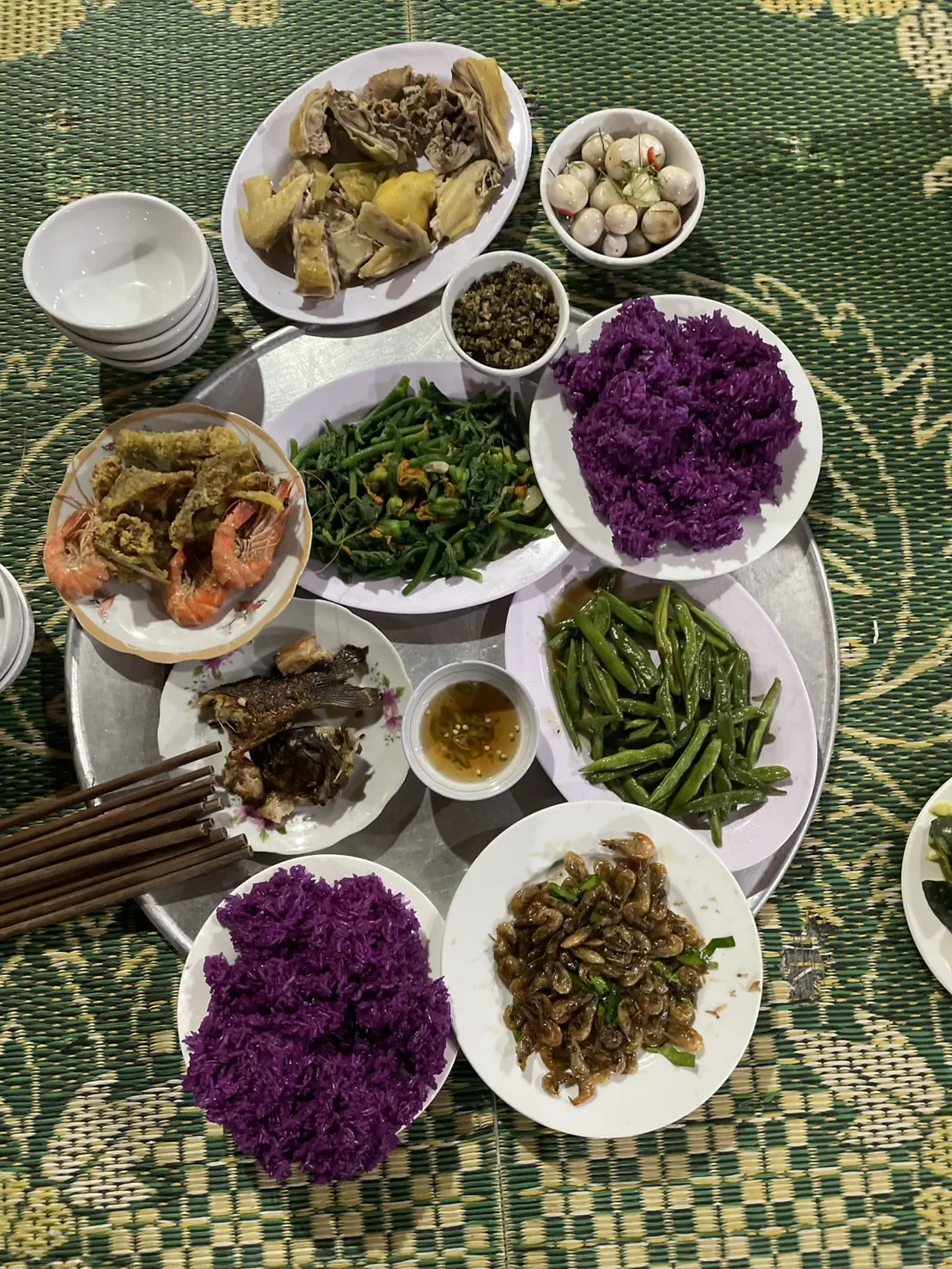
Northern Thai cooking rests on sticky rice, chili pastes, herb bundles and fermented seasonings rather than coconut milk. The region's food leans on grilled and steamed dishes, bitter greens and pork, with heat coming from dried chilies. This pantry differs from the coconut-rich curries associated with central and southern Thailand.
Sticky rice, called glutinous rice, is the everyday starch and appears at nearly every meal in the north. Cooks soak the grains and steam them in a woven basket rather than boiling them. The grain is sold whole, and glutinous rice flour is a different product meant for sweets.
Chili paste is the other anchor, and each household keeps its own blend of dried chilies, aromatics and fermented soybean. Fresh herbs such as cilantro root, Thai basil and dill-like greens join the paste at the table. A northern pantry therefore holds dried goods, fresh herbs and a few jars of fermented flavor.
Sticky rice and how to buy it
Sticky rice for northern Thai meals is sold as opaque white grains in bags at Asian grocery stores and online. The grains look milky rather than translucent, which separates them from jasmine rice. Buy a bag sized to your cooking pace, since rice loses aroma as it sits.
A steamer basket and a pot make the traditional setup, and both appear in the same shops that sell the rice. Soaking the grains before steaming softens them enough to cook through. Without a basket, a fine-mesh steamer lined with cloth works as a substitute.
Store the bag sealed in a cool, dry cupboard away from strong smells. Rice absorbs odors from nearby spices, so keep it apart from open chili jars. Cooked sticky rice keeps in the refrigerator for a short while and reheats well by steaming.
- Opaque white grains signal glutinous rice rather than jasmine rice
- Buy whole grains, not glutinous rice flour, for steamed rice
- A woven or fine-mesh steamer basket is the traditional tool
- Keep the sealed bag away from strong-smelling spices
- Reheat cooked rice by steaming rather than microwaving dry
Northern Thai chili paste and nam prik ong
Northern Thai chili paste covers a family of pastes, and nam prik ong is the tomato and pork version from the north. Dried chilies, garlic, shallots and fermented soybean form the base, with tomato and minced pork added. The paste is eaten with sticky rice and raw or steamed vegetables.
Jarred nam prik ong appears in Asian grocery stores and online, and the label should list chilies, fermented soybean and tomato. Some jars lean sweet, so taste before you season a dish further. A paste made with fresh chilies is a different product and will not match the northern profile.
Making the paste at home means soaking dried chilies, grilling the aromatics and pounding everything in a mortar. Fermented soybean supplies the salty depth, so taste the paste before adding fish sauce. The finished paste keeps in a sealed jar in the refrigerator.
| Ingredient | Role in the paste | Where to buy |
|---|---|---|
| Dried red chilies | Heat and color | Asian grocery stores or online |
| Garlic and shallots | Sweet aromatic base | Fresh markets or grocery stores |
| Fermented soybean | Salty depth | Asian grocery stores or online |
| Tomato | Body and acidity | Fresh markets or grocery stores |
| Minced pork | Texture and richness | Butcher or grocery store |
Fresh herbs and aromatics to look for
Fresh herbs give northern Thai dishes their green, sharp edge, and cilantro root is a key aromatic in marinades and pastes. Thai basil, mint and dill-like greens appear on the plate alongside sticky rice. Buy herbs in small bunches, since they wilt faster than dried goods.
Cilantro root is often sold with the stems attached at Southeast Asian markets, and the root carries more flavor than the leaves. Scrape and wash the root before pounding it into a paste. If the root is missing, use the lower stems as a partial stand-in.
Lemongrass, galangal and kaffir lime leaves belong to the broader Thai pantry and appear in some northern dishes. Choose firm stalks and skin that smells clean rather than musty. Wrap the aromatics loosely and use them while they still smell strong.
Where Asian grocery stores fit in
Asian grocery stores stock the dried chilies, sticky rice, fermented soybean and jarred pastes that a northern Thai pantry needs. Larger shops carry several brands of each, which lets you compare labels. Small neighborhood shops may stock only a few northern items, so ask the staff.
Shopping in person lets you check the aroma of dried chilies and the condition of herb bundles. Look for chilies that are flexible rather than brittle and bags with no signs of moisture. Check that jars are sealed and that the paste has not separated.
Staff at Southeast Asian markets often know which brand suits a northern paste, so ask for guidance. Bring a list of the specific items you need rather than browsing by guesswork. A written list also helps when a shop carries similar packages in several languages.
Ordering northern Thai pantry items online
Online pantry shops ship dried chilies, sticky rice, fermented soybean and jarred nam prik ong to places without a Southeast Asian market. Check that the seller describes the product as northern style rather than a generic Thai paste. Compare the ingredient list before you order.
Shipping weight matters, since rice bags and chili bundles are heavy and bulky. Order dried goods together and fresh herbs separately from a local source. Ask the seller how the items are packed if the listing says nothing about sealing.
Read the ingredient list for the fermented soybean and the chili paste, because sweeteners vary by brand. A paste listing tomato and fermented soybean fits nam prik ong better than one built on shrimp paste. Keep the order confirmation so you can reorder the same brand later.
Storing the northern pantry at home
Dried chilies, sticky rice and fermented soybean keep better when sealed and kept away from heat and light. Dried chilies lose their color and punch over time, so buy amounts you will finish. Fermented soybean stays stable in a sealed jar but should be checked for spoilage after opening.
Fresh herbs and aromatics belong in a cool, ventilated spot and should be used soon after purchase. Wash herbs just before use, since moisture speeds wilting. Cilantro root can be scraped, washed and frozen for later pastes.
Jarred nam prik ong should stay sealed until you plan to eat it, then move to the refrigerator. Use a clean spoon each time so the paste does not spoil. Label opened jars with the date so you can track how long they have sat.
Building a first northern Thai shopping list
A first northern Thai shopping list covers sticky rice, dried red chilies, garlic, shallots, fermented soybean, cilantro root and a jar of nam prik ong. These items let you make a chili paste and serve it with steamed rice. Add fresh herbs and vegetables from a local market.
Buy the dried and jarred goods first from an Asian grocery store or online shop, then fill in fresh produce close to cooking day. This order keeps the herbs from wilting while you hunt for the pantry items. A list of specific items prevents duplicate purchases.
Start with small quantities of unfamiliar brands so you can taste before committing to a large bag or jar. Note which brand of fermented soybean and paste you liked for the next order. A pantry built this way grows with your cooking rather than sitting unused.
- Sticky rice in a whole-grain bag
- Dried red chilies for the paste
- Garlic and shallots for aromatics
- Fermented soybean for salty depth
- A jar of northern-style chili paste
- Cilantro root and fresh herbs close to cooking day
Questions about northern Thai ingredients
What is northern Thai chili paste called?
Northern Thai chili paste includes several pastes, and nam prik ong is the tomato and pork version from the north. It is built on dried chilies, garlic, shallots and fermented soybean, then eaten with sticky rice. Jarred versions are sold in Asian grocery stores and online shops.
Where can I buy northern Thai ingredients?
Asian grocery stores and Southeast Asian markets carry sticky rice, dried chilies, fermented soybean and jarred pastes. Online pantry shops ship the same dried goods to places without a local market. Fresh herbs such as cilantro root come from a market or grocery store close to cooking day.
Is sticky rice the same as glutinous rice?
Sticky rice is glutinous rice, and the grains turn opaque white when raw. The name refers to the texture after steaming, not to gluten, which the grain does not contain. Buy the whole grains rather than glutinous rice flour for steamed rice.
Can I make nam prik ong without fermented soybean?
Fermented soybean supplies the salty depth that defines nam prik ong, and leaving it out changes the paste. A cook can adjust with fish sauce, but the flavor will differ from the northern original. Taste the paste before adding more salt.
What herbs do I need for Chiang Mai cooking?
Chiang Mai cooking uses cilantro root, Thai basil, mint and dill-like greens alongside sticky rice and chili paste. Lemongrass, galangal and kaffir lime leaves appear in some dishes. Buy small bunches and use them while they still smell strong.