How to cook yardlong beans
Learn how to cook yardlong beans for Thai dishes: trimming and preparation, stir-frying, blanching, and keeping the pods crisp, tender, and full of flavor.
Contents
- What yardlong beans are and how they taste
- How to prepare yardlong beans for cooking
- Stir-frying yardlong beans in a hot wok
- Blanching yardlong beans for salads and sides
- Other ways to cook yardlong beans
- Seasoning yardlong beans the Thai way
- Storing and using up leftover yardlong beans
- Questions about cooking yardlong beans
- Do yardlong beans need to be cooked before eating?
- How do I keep yardlong beans crisp when stir-frying?
- Can I use regular green beans instead of yardlong beans?
- How long should I blanch yardlong beans?
- What dishes use yardlong beans in Thai cooking?
Yardlong beans cook fast and stay crisp when you trim them, cut them into short lengths, and give them high heat for a short time. Stir-frying and blanching are the two methods that suit Thai long beans, and both keep the pods bright and snappy. The sections below cover preparation, each cooking method, and how to season the beans so they taste like the ones served with Thai meals.
- Trim the ends and cut yardlong beans into short lengths before cooking.
- High heat and a short cooking time keep the pods crisp and bright green.
- Blanching is the gentlest method and suits beans you will dress or add to a salad.
- Stir-frying suits yardlong beans because the pods hold their shape in a hot wok.
- Dry the beans well before stir-frying so they sear instead of steaming.
What yardlong beans are and how they taste
Yardlong beans are long, thin green pods that belong to the same family as black-eyed peas, not to the green bean family. The pods grow far longer than a standard green bean and are picked while still young and tender. Thai cooks know them as Thai long beans and use them in curries, stir-fries, and raw or blanched vegetable plates.
The flavor of a yardlong bean is mild, grassy, and slightly nutty, with a firm bite that holds up in cooking. Young pods taste sweeter and tenderer, while older pods turn tough and starchy. Look for pods that are slender, bright, and snap cleanly when bent, and avoid pods with soft spots or visible seeds bulging through the skin.
Yardlong beans need to be cooked before eating in most dishes, though very young pods are sometimes eaten raw in small amounts. Cooking softens the fiber and makes the bean easier to digest. The pod stays firm enough to keep its shape, which is why it appears in dishes where other vegetables would fall apart.
How to prepare yardlong beans for cooking
Preparation of yardlong beans starts with washing the pods in cold water and patting them dry. Trim a thin slice from each end, discarding the tips and any tough strings along the sides. A pod that resists snapping usually has a string that should be pulled away before cooking.
Cut the beans into lengths that suit your dish, from short bite-size pieces for stir-fries to longer batons for dipping or grilling. Cutting on a slight diagonal exposes more of the inside and helps the pieces cook evenly. Keep the pieces a similar size so they finish at the same time.
Dry the cut beans thoroughly with a clean towel before they go into a hot pan. Water on the surface makes the beans steam and spatter instead of searing. Prepared beans can rest in a covered bowl in the refrigerator until you are ready to cook them.
Stir-frying yardlong beans in a hot wok
Stir-frying is the method that suits yardlong beans best for a quick Thai-style dish with a little char. Heat a wok or wide skillet over high heat until a drop of water sizzles and vanishes, then add oil and swirl it around. Add the beans and keep them moving so every side meets the hot surface.
Yardlong beans need a few minutes of high heat to soften without losing their snap. If the pan starts to smoke or the beans brown too fast, lower the heat slightly and add a splash of water to slow the cooking. The beans are ready when they are bright, tender, and slightly blistered in places.
Aromatics such as garlic, chili, and shallot go into the wok before or alongside the beans, depending on how much color you want on them. Add a sauce near the end so it coats the pods instead of burning. Toss the beans once more and serve them while they are still hot and crisp.
- Heat the wok until it is very hot, then add oil.
- Add garlic or chili and stir for a few seconds.
- Add the dry beans and toss over high heat.
- Splash in a little water if the pan smokes.
- Add sauce at the end and toss to coat.
Blanching yardlong beans for salads and sides
Blanching yardlong beans means boiling them briefly and then cooling them quickly, which sets their color and keeps them crisp. Bring a pot of water to a rolling boil and add salt if you like. Drop the cut beans in and cook them just until they turn bright green and lose their raw edge.
Move the beans straight from the boiling water into a bowl of ice water to stop the cooking. This step, called shocking, is what keeps blanched yardlong beans firm and vivid rather than soft and dull. Drain them well and pat them dry before dressing them.
Blanched beans work well in salads, as a side vegetable, or as a bed for grilled meat and fish. Dress them with lime juice, fish sauce, and chili, or toss them with a little oil and toasted seeds. Keep blanched beans covered in the refrigerator if you are not serving them right away.
Other ways to cook yardlong beans
Yardlong beans can be grilled whole or in long pieces over direct heat until the skin blisters and the pod softens. Brush them lightly with oil first and turn them as they cook. Grilled beans take on a smoky flavor that suits dipping sauces and cold salads.
Roasting in a hot oven is another option for yardlong beans, especially when you want to cook a large batch. Spread the beans in a single layer, toss them with oil and salt, and roast until they are tender and browned at the edges. Shake the pan once or twice so they color evenly.
Yardlong beans also go into curries and stews, where they simmer in liquid until tender. Add them near the end of cooking so they keep some bite. For dishes that call for long cooking, cut the beans into larger pieces so they do not break down completely.
Seasoning yardlong beans the Thai way
Thai cooking seasons yardlong beans with strong, balanced flavors that stand up to the firm pod. Garlic, fresh chili, fish sauce, and lime juice form a base that works for stir-fries and salads alike. A little palm sugar rounds out the salt and heat without making the dish sweet.
For a stir-fry, add minced garlic and chili to hot oil, then the beans, and finish with fish sauce and a pinch of sugar. For a salad, dress blanched beans with lime juice, fish sauce, sliced shallot, and chili. Toasted peanuts or fried shallots add crunch on top.
Yardlong beans also pair well with curry paste, coconut milk, and Thai basil in a richer dish. Add the beans to the simmering sauce and cook them just until tender. Taste the sauce before serving and adjust the salt, sour, and heat to your liking.
Storing and using up leftover yardlong beans
Fresh yardlong beans keep well in the refrigerator when stored dry and loose in a perforated bag. Moisture is the enemy of the pod, so do not wash them until you are ready to cook. Use them within a few days of buying, while the pods are still firm and bright.
Cooked yardlong beans can be kept covered in the refrigerator and reheated gently in a pan or enjoyed cold in a salad. Reheating in a hot pan brings back some of the crisp texture better than a microwave does. Add a fresh splash of sauce when you reheat them to wake up the flavor.
If you have more beans than you can use, blanch them and freeze the drained pieces in a sealed container. Frozen blanched beans go straight into soups, curries, and stir-fries without thawing. The texture softens after freezing, so plan to cook them into a dish rather than serve them plain.
Questions about cooking yardlong beans
Do yardlong beans need to be cooked before eating?
Yardlong beans are best cooked before eating, because raw pods are tough and hard to digest. Brief cooking softens the fiber while keeping the pod crisp. Very young pods are sometimes eaten raw in small amounts, but cooking is the safer choice.
How do I keep yardlong beans crisp when stir-frying?
Yardlong beans stay crisp in a stir-fry when the pan is very hot and the cooking time is short. Dry the pods well before they go in, and keep them moving so they sear rather than steam. Add sauce at the end so the beans do not soften in liquid.
Can I use regular green beans instead of yardlong beans?
Regular green beans can replace yardlong beans in most dishes, though the texture and flavor differ slightly. Green beans are more tender and cook faster than yardlong beans. Adjust the cooking time so the beans do not turn mushy.
How long should I blanch yardlong beans?
Blanch yardlong beans just until they turn bright green and lose their raw taste, then move them straight into ice water. The exact time depends on the thickness of the pods and how crisp you want them. Taste one piece to check before draining the batch.
What dishes use yardlong beans in Thai cooking?
Thai cooking uses yardlong beans in stir-fries with garlic and chili, in curries, and in blanched vegetable plates served with dipping sauce. They also appear in salads dressed with lime and fish sauce. The firm pod holds its shape in all of these dishes.
Read next
-
 From Vines and Bushes to Thai Cooking Vegetables: Growing Yardlong Beans
-
 Harvesting Angled Luffa for the Thai Kitchen
-
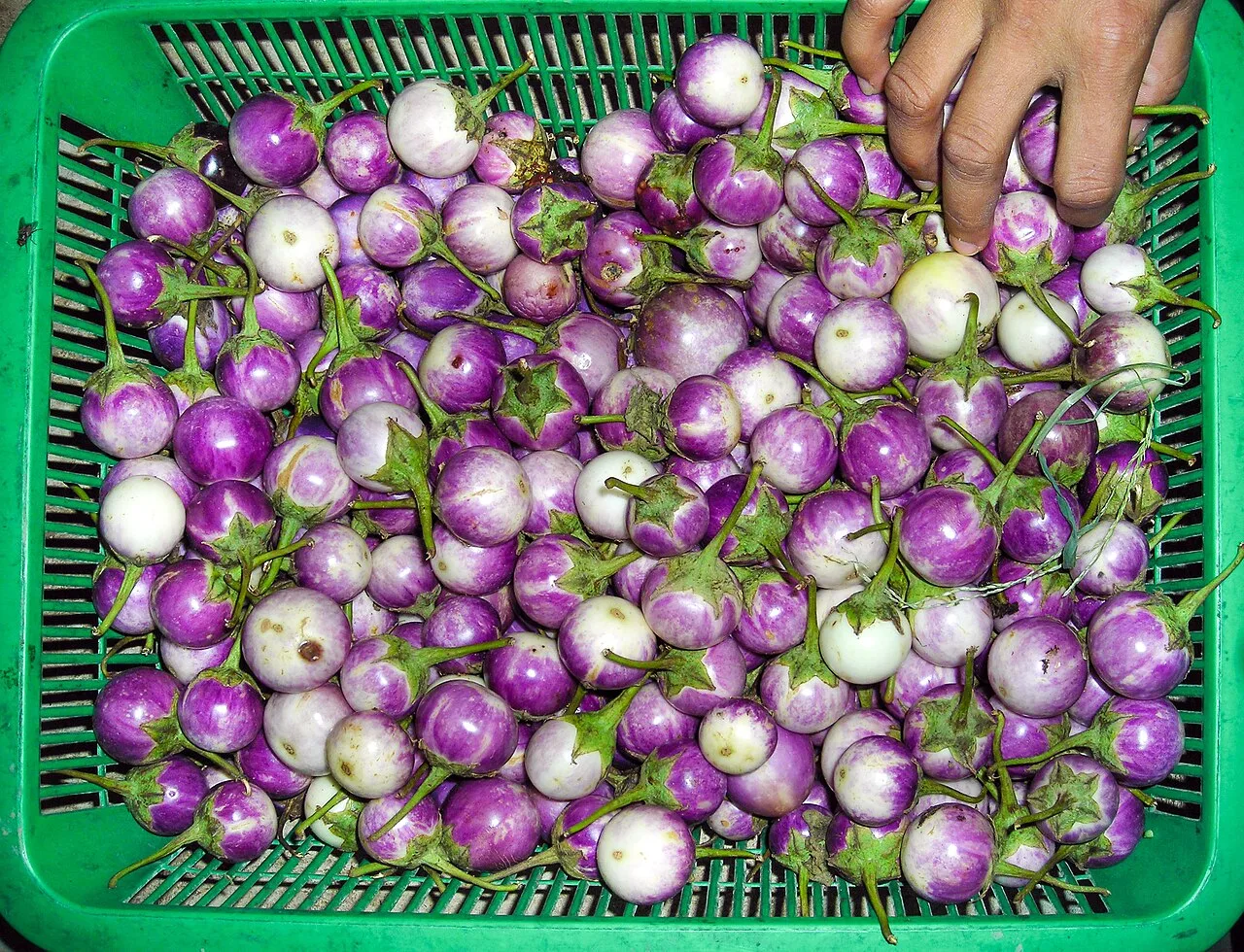 Thai Eggplant: Nutrition and Potential Benefits
-
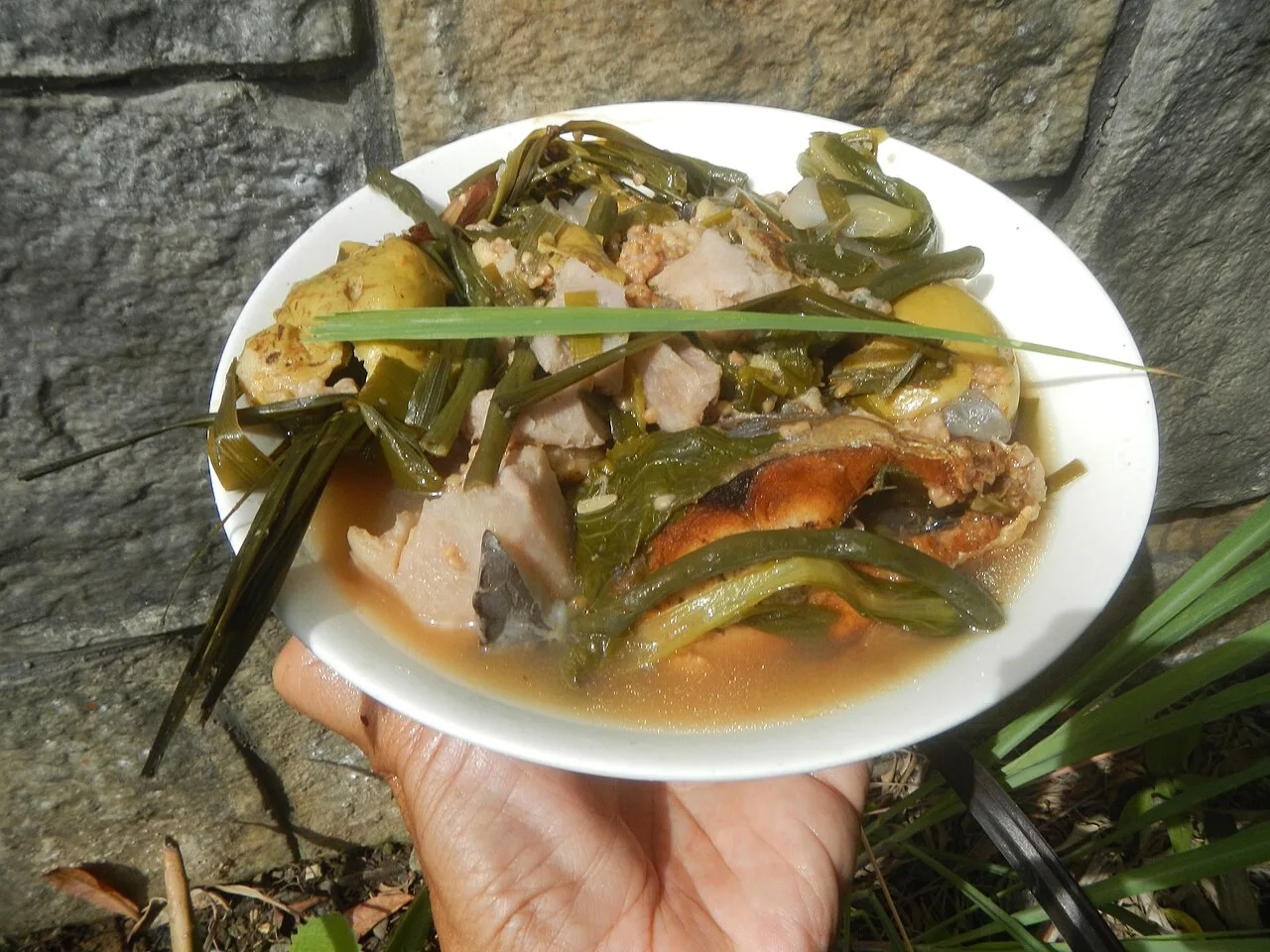 Yardlong Beans: Nutrition and Benefits in Thai Cooking
-
 Growing Winter Melon: Plants, Germination, Flowering and Harvest Timing
-
 Thai Pumpkin Seeds: A Crunchy Seed from the Thai Kitchen
-
 Growing and Harvesting Eggplants for the Thai Kitchen
-
 Pumpkin Varieties for Thai Cooking: Identification and Species
-
 Buying Pea Eggplant Plants to Grow: A Visual Guide for Thai Cooking